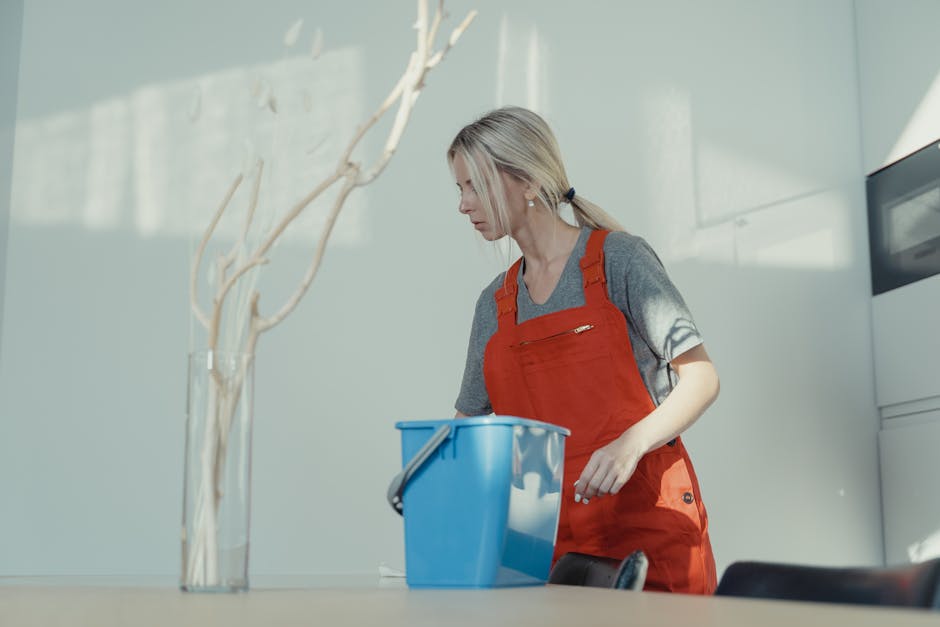
Kennington Park house cleaning guide for landlords
If you let property near Kennington Park, you already know the cleaner the home looks, the easier everything feels. Viewings go better. Check-in feels calmer. Deposit disputes, ideally, become less of a headache. This Kennington Park house cleaning guide for landlords is built for real rental situations, not showroom perfection. The goal is simple: help you keep standards high, protect your investment, and hand over a home that feels genuinely ready for the next tenant.
Kennington has a mix of period flats, converted houses, newer apartments, and busy shared homes. That means cleaning needs can vary quite a bit from one property to the next. A one-bed near the park will not need the same approach as a family house with hallway wear, carpet traffic, and a kitchen that has seen a few hurried Sunday breakfasts. Truth be told, the details matter.
In this guide, you'll find practical landlord cleaning advice, a step-by-step process, common mistakes to avoid, and a checklist you can actually use before a tenancy starts or ends. If you're comparing service options, it can also help to look at the full range of cleaning services available locally, including end of tenancy cleaning in Kennington, house cleaning support, and specialist help such as carpet cleaning in Kennington.
Table of Contents
- Why Kennington Park house cleaning guide for landlords Matters
- How Kennington Park house cleaning guide for landlords Works
- Key Benefits and Practical Advantages
- Who This Is For and When It Makes Sense
- Step-by-Step Guidance
- Expert Tips for Better Results
- Common Mistakes to Avoid
- Tools, Resources and Recommendations
- Law, Compliance, Standards, or Best Practice
- Options, Methods, or Comparison Table
- Case Study or Real-World Example
- Practical Checklist
- Conclusion
- Frequently Asked Questions
Why Kennington Park house cleaning guide for landlords Matters
For landlords, cleaning is not just about making a place look nice for one afternoon. It affects rentability, tenant satisfaction, maintenance, and the likelihood of a smooth move-in or move-out. In a neighbourhood like Kennington, where people often compare several properties in a single viewing afternoon, presentation can influence how quickly a home is chosen.
A clean property tends to signal care. That matters more than people admit. A freshly cleaned kitchen, a bathroom without limescale build-up, and carpets that do not smell stale all give tenants confidence that the landlord is organised and responsive. And that confidence can carry through the whole tenancy.
There is also a practical side. Dirt hides damage. Grease can mask a worn hob. Dust can hide leaks around skirting boards. A proper clean gives you a clearer view of what really needs repair before the next tenant moves in. If you are trying to keep a property competitive, the local market context matters too, so it can be useful to read about maximising sales in the Kennington property market and the broader feel of the neighbourhood in this local Kennington overview.
One overlooked point: cleaning also reduces friction at check-in. When a tenant arrives to a property that feels genuinely cared for, they are less likely to start with a complaint list in their head. That is not magic. It is just how people react to first impressions.
How Kennington Park house cleaning guide for landlords Works
A good landlord cleaning process usually follows the tenancy cycle. You clean before marketing, freshen the property before viewings, deep clean between tenancies, and maintain standards during the tenancy if the arrangement includes periodic cleaning.
In plain English, the work splits into four stages:
- Pre-market cleaning - make the property look bright, presentable, and ready for photos or viewings.
- Turnaround cleaning - clean thoroughly after one tenant leaves and before the next tenant arrives.
- Maintenance cleaning - keep shared or occupied homes on top of dust, hygiene, and day-to-day wear.
- Specialist cleaning - deal with carpets, upholstery, ovens, limescale, or high-traffic areas that need more than a basic wipe-down.
The right approach depends on property type, condition, and budget. A compact flat may only need a deep kitchen and bathroom refresh, whereas a house with stairs, soft furnishings, and heavier footfall usually needs a broader clean. For many landlords, a mix of general cleaning and targeted specialist work is the sweet spot.
If you are weighing up what to outsource, it can help to understand the difference between domestic cleaning in Kennington, house cleaning, and upholstery cleaning services. The naming sounds similar, but the scope is not always the same. A domestic clean may suit ongoing upkeep. A turnaround clean is usually more intensive. And upholstered furniture? That often needs separate attention. Let's face it, sofas collect more tenant life than anyone wants to think about.
Key Benefits and Practical Advantages
Landlords often think about cleaning only as a cost. That is understandable, but a better frame is risk management. Good cleaning can protect income and reduce avoidable problems.
- Faster re-letting - cleaner homes usually photograph better and feel more welcoming during viewings.
- Better tenant trust - tenants notice when a property has been properly prepared.
- Lower dispute risk - a documented clean makes it easier to discuss condition fairly at check-out.
- Protection for finishes - grime left too long can stain surfaces, fittings, and fabrics.
- Improved inspection outcomes - regular maintenance helps reveal issues early.
- Stronger brand reputation - yes, landlords have reputations too, especially in a neighbourhood where word travels quickly.
There is also a psychological benefit. A clean property feels calmer to manage. If you have ever walked into a kitchen after a tenant has left and felt that little sinking feeling - sticky handles, crumbs in the corner, a faint smell from the fridge - you know exactly what I mean. Getting it right upfront saves stress later.
Expert summary: For landlords, the best cleaning strategy is usually the one that is consistent, documented, and matched to the property's condition. Not the most expensive option. Not the quickest. The one that gives you a predictable standard every time.
Who This Is For and When It Makes Sense
This guide is useful if you are a private landlord, accidental landlord, letting agent, or portfolio owner with property near Kennington Park or the wider Kennington area. It also helps if you manage a shared house where different tenants have different habits, which is, to be fair, one of the trickier setups to keep neat.
It makes sense to follow a structured cleaning plan when:
- a tenancy is ending and you need the home ready for the next occupant
- you are preparing photos for marketing or listing updates
- you want to refresh a property between long lets
- the property has carpets, soft furnishings, or high-use areas that hold odours
- you have had a repair carried out and want the room restored properly
- the tenant has requested professional-level cleanliness before moving in
It is also sensible if you own a property in a busy part of London where tenants expect a good standard from day one. Kennington attracts a mix of renters, and many of them know what decent condition should look like. If you want a broader sense of the area's resident profile and lifestyle, this local guide to living in Kennington gives helpful context.
Step-by-Step Guidance
Here is a simple, landlord-friendly cleaning process that works well in real life. No fluff. Just the order that tends to make sense.
1. Start with a walk-through
Before cleaning begins, inspect the whole property. Look for stains, mould spots, damaged seals, limescale, scuffed skirting, dusty vents, and any smell that needs addressing. You want to know what is cleaning and what is maintenance. Those are different jobs.
2. Remove waste and obvious clutter
Old food, left-behind items, broken hangers, and stray bits of packaging should come out first. Otherwise, you are just cleaning around the mess. Not ideal. A quick clear-out also makes the actual clean more efficient.
3. Tackle the kitchen properly
In a landlord clean, the kitchen often deserves the most attention. Focus on the oven, hob, extractor, splashback, cupboards, sink, taps, fridge seal, and all the places grease loves to hide. If the property has been occupied for a while, pay extra attention to inside cupboards and kickboards.
4. Deep clean the bathroom
Bathrooms tend to show wear quickly. Remove limescale, clean grout lines, disinfect touchpoints, and check around the toilet base, sink pedestal, and shower screen. That faint mineral film around taps? Tenants notice it immediately.
5. Clean floors and carpets thoroughly
Hard floors should be vacuumed, swept, and mopped with the right solution for the surface. Carpets often need a deeper treatment, especially in hallways, bedrooms, and living rooms. If you have pet odours, drink spills, or traffic marks, specialist treatment is usually worth it. You can explore carpet cleaning in Kennington if the flooring needs more than basic vacuuming.
6. Deal with windows, frames, and touchpoints
Light switches, door handles, banisters, window ledges, and frames collect fingerprints and dust. These small details matter more than people think. A tenant may not say, "the switch plate is immaculate," but they will definitely notice if it is grimy.
7. Refresh soft furnishings and high-touch fabrics
Fabrics hold smells and dust. Curtains, sofas, dining chairs, and cushions can quietly pull down the whole feel of a property if they are neglected. Where needed, use specialist upholstery cleaning rather than trying to brute-force it with general products. That usually ends badly.
8. Finish with a final inspection
Do one slow final walk-through from the front door to the back of the property. Open a few cupboards. Check under sinks. Look at corners in daylight if possible. Sometimes the last 5% is what makes the clean feel professional.
| Area | What to focus on | Common landlord oversight |
|---|---|---|
| Kitchen | Oven, hob, extractor, cupboard fronts, sink, bins | Inside cupboards and greasy handles |
| Bathroom | Limescale, grout, taps, seals, toilet base | Shower screen edges and behind the toilet |
| Living room | Skirting, upholstery, floors, window frames | Dust on high ledges and under furniture |
| Bedrooms | Wardrobes, carpets, sockets, mattresses if supplied | Corner dust and stale air |
| Hallways | Stairs, handrails, entry mats, scuffs | Traffic dirt near the front door |
Expert Tips for Better Results
A few small choices make a surprisingly big difference. Here are the ones that matter most in landlord properties.
- Clean top to bottom. Dust falls. Start high, finish low.
- Use the right products for the surface. Harsh products can damage finishes or leave residue.
- Let cleaning and repairs support each other. There is no point deep cleaning around a broken seal or peeling silicone.
- Photograph the finished condition. Good records help at check-out and can support future maintenance planning.
- Schedule cleans before viewings. Natural daylight and a fresh finish make a property feel bigger and brighter.
- Don't ignore odour sources. Air fresheners only mask the issue. Bin areas, drains, fabrics, and fridge spaces often need the actual fix.
A small human tip from experience: if a room smells "clean" but not fresh, open the windows for a few minutes after cleaning. It sounds basic because it is basic, and it works. Fresh air does a lot of heavy lifting in London properties, especially after closed-up periods.
If you are thinking about service selection, the local team pages and pricing and quote guidance can help you decide whether you need one-off support, recurring help, or a more specialist package.
Common Mistakes to Avoid
Landlords make a few predictable mistakes with cleaning. Most are avoidable, which is the good news.
- Leaving cleaning too late. If you wait until the handover day, you are likely to rush and miss details.
- Assuming "looks fine" means "is fine." Under sofa cushions and behind appliances can tell a different story.
- Using the same clean for every property. A furnished flat, an unfurnished house, and a shared tenancy all need different attention.
- Skipping carpets and soft furnishings. They absorb smells and can make a property feel older than it is.
- Forgetting ventilation and moisture control. Clean bathrooms can still develop issues fast if damp is ignored.
- Not documenting the condition. A quick photo set can save a lot of debate later.
Another common one: trying to make a property "presentable enough" rather than properly ready. That is a false economy. Tenants can tell the difference. So can you, usually by the second viewing. A bit awkward, but true.
Tools, Resources and Recommendations
You do not need a van full of equipment to maintain good standards, but you do need the right basics. A landlord cleaning kit should be practical, not fancy.
- microfibre cloths in multiple colours
- vacuum cleaner with attachments
- mop and bucket suitable for the flooring type
- non-abrasive bathroom cleaner
- degreaser for kitchen surfaces
- limescale remover for taps and shower screens
- glass cleaner for mirrors and windows
- scrubbing brush for grout and stubborn marks
- bin liners and disposable gloves
- airing strategy: open windows, use extractors, dry surfaces fully
For landlords who prefer a more structured approach, using a trusted local service can be a lot less stressful than piecing together ad hoc help. You can also review the company background, check insurance and safety information, and read the health and safety policy if you want reassurance before booking. That matters, especially when contractors are working in occupied properties or around delicate finishes.
For landlords with tenants in place, it can also be useful to understand how communication and access are handled. Practical details like payment and security and the booking terms make the process smoother. Nobody wants confusion over access on a Friday afternoon. Nobody.
Law, Compliance, Standards, or Best Practice
Cleaning itself is not usually the part that causes legal trouble. The problems tend to come from poor record-keeping, unsafe practices, or unclear responsibilities between landlord and tenant. So, while this is not legal advice, a few common-sense standards are worth following.
First, make sure the property is safe before and after cleaning. That means avoiding hazardous chemicals without proper ventilation, using products correctly, and not asking cleaners to work around exposed electrical faults or unsafe fittings. If something feels off, sort the issue first.
Second, in a tenancy handover, it helps to separate cleaning from repairs. A spotless room still needs fixing if a seal has failed or a surface is damaged. Likewise, a minor scuff does not become a cleaning job just because it is easier to say so. That distinction keeps expectations fair.
Third, if you are managing properties professionally, it is sensible to have clear internal procedures for complaints, access, and service standards. Pages such as terms and conditions and the complaints procedure help set a transparent tone. Transparency is not just a nice word. It saves time.
Finally, if the property has vulnerable occupants, shared access, or specialist needs, be extra careful about scheduling, product choice, and safety. Cleaning should never create a hazard of its own. That part is non-negotiable.
Options, Methods, or Comparison Table
Landlords generally have three ways to handle cleaning: do it yourself, use a regular domestic cleaner, or book a professional end-of-tenancy clean. Each has its place.
| Option | Best for | Pros | Watch-outs |
|---|---|---|---|
| DIY cleaning | Small refreshes, quick touch-ups | Low direct cost, full control | Time-consuming, easy to miss detail |
| Regular domestic cleaning | Occupied homes, ongoing upkeep | Consistent maintenance, familiar routine | May not cover deep turnaround work |
| End-of-tenancy cleaning | Move-outs, pre-let resets | Deeper clean, better for handovers | Usually costs more than basic cleaning |
In practice, many landlords use a hybrid model. They handle light maintenance or inspections themselves, then bring in specialist cleaning when the property needs a full reset. That is often the most sensible balance. Not glamorous, but sensible.
If you manage more than one property, the bigger question is consistency. A repeatable standard beats improvisation every time. And if one unit needs extra attention after a long tenancy, it is usually worth investing in the deeper clean rather than gambling on a quick tidy.
Case Study or Real-World Example
Imagine a two-bedroom flat near Kennington Park that has just come to the end of a twelve-month tenancy. The tenants were generally fine, but life happened: kitchen grease, a few carpet marks in the hallway, some dust on top of wardrobe doors, and a bathroom tap with visible limescale. Nothing dramatic. Just normal wear.
The landlord walks through first and notices that the flat looks okay at a glance, but not quite "new tenant ready." So the plan is split into three parts: deep clean the kitchen and bathroom, treat the hallway carpet, and freshen high-touch surfaces throughout the flat. Upholstery on the sofa gets attention too, because the room has a faint lived-in smell that won't disappear on its own.
After cleaning, the property feels different. Not magically transformed into a glossy brochure home. Just clean, bright, and ready. The kind of place where a new tenant can walk in and picture their own mug on the kitchen counter. That subtle shift matters.
The landlord also takes a set of photos after the clean for records. At check-out, there is less disagreement because the pre-move-in standard is visible, not vague. That is the real win. Fewer surprises. Less back-and-forth. More control.
Practical Checklist
Use this checklist before a new tenancy begins or after a tenant moves out. It is simple, but it catches a lot.
- Walk through every room and note visible damage
- Remove waste, unwanted items, and leftover food
- Clean kitchen appliances inside and out
- Descale bathroom fittings and clean grout lines
- Vacuum and treat carpets where needed
- Mop hard floors with appropriate products
- Dust skirting boards, shelves, and high ledges
- Wipe door handles, switches, and banisters
- Check windows, frames, and ledges
- Refresh upholstery and soft furnishings if present
- Open windows and ventilate the property
- Inspect the finished clean in daylight if possible
- Take photos for property records
- Confirm repairs are completed before handover
Quick landlord takeaway: if you only do one thing well, make it the kitchen and bathroom. Those two spaces do most of the heavy lifting in tenant perception. Everything else builds around them.
Conclusion
A strong cleaning routine is one of the simplest ways to protect a rental property in Kennington Park and keep the tenancy cycle moving smoothly. It improves presentation, helps with inspections, reduces avoidable disputes, and gives tenants a better start in the home. Nothing fancy. Just good, careful upkeep done properly.
If you want your property to feel genuinely ready rather than merely acceptable, take the process seriously: inspect first, clean thoroughly, document the result, and use specialist help where it makes sense. That approach pays off in calmer handovers and fewer surprises later on.
If you are comparing options for a one-off reset or a regular maintenance plan, it may help to review pricing and quote options, then decide what level of support matches the property's condition and your own schedule. The right choice is usually the one that keeps standards steady without eating up your whole week.
Get a free quote today and see how much you can save.
And if you're looking after a home in Kennington, keep it simple, keep it consistent, and don't underestimate what a properly clean property can do for everyone involved. It really does set the tone.
Frequently Asked Questions
What does a landlord cleaning checklist usually include?
A landlord cleaning checklist usually covers the kitchen, bathroom, floors, carpets, windows, skirting boards, handles, switches, and any soft furnishings. It should also include a final walk-through, waste removal, and photo documentation. The exact list depends on the property's condition.
Is end-of-tenancy cleaning the same as regular house cleaning?
Not quite. Regular house cleaning is usually about maintenance. End-of-tenancy cleaning is more detailed and aims to reset the property for a new occupant. It often includes deeper work in kitchens, bathrooms, carpets, and hidden areas.
How often should a rental property in Kennington be professionally cleaned?
That depends on tenancy length, wear, and whether the property is furnished. Many landlords arrange a professional clean between tenancies, and some also schedule periodic maintenance during longer lets. High-traffic or shared homes may need more frequent attention.
Do landlords need to clean carpets before new tenants move in?
It is usually a very good idea, especially if the previous tenancy left marks, odours, or visible wear. Carpets hold onto dust and smells, so a clean or treatment can make a big difference to first impressions.
Can I charge the tenant for cleaning after they leave?
That depends on the tenancy agreement and the condition left behind. In general, charges should be fair, evidence-based, and related to the actual condition of the property. Good records and photos help avoid disputes.
What areas do tenants notice most during a viewing?
Kitchen, bathroom, smell, and flooring. Those are the big four. A clean hallway and tidy entrance also matter more than people expect because they shape the first impression right away.
Should landlords clean properties themselves or hire professionals?
For light upkeep, doing it yourself can make sense. For a full turnaround clean, professional help is often more efficient and gives a more consistent finish. If the property has carpets, upholstery, or heavy build-up, specialist cleaning is usually the better choice.
How long does a deep clean usually take?
It varies with property size and condition. A small flat may be completed far faster than a larger house with multiple bathrooms and carpets. The main point is that the time needed depends on how much detail the property requires, not just its square footage.
What should I check after a cleaner finishes?
Check the kitchen, bathroom, floors, edges, and hidden spots like under sinks and behind doors. Open a few cupboards, look at high-touch areas, and inspect the finish in daylight if possible. A quick photo record is also smart.
How do I reduce odours in a rental property?
Start with the source, not the perfume. Empty bins, clean drains, wash fabrics, air the property, and treat carpets or upholstery if needed. Air freshener can help, but only after the underlying issue is sorted.
Is it worth booking specialist upholstery or carpet cleaning?
Yes, if the property has visible marks, lingering smells, or furniture that affects the overall feel of the home. These surfaces hold onto dirt much more than hard floors, so specialist treatment can improve the result dramatically.
What's the best way to prepare a property for new tenants quickly?
Work from a checklist, prioritise kitchen and bathroom, and bring in professional support for the areas that take the longest. If you stay organised and avoid last-minute repairs, the handover becomes much smoother. A calm process saves a lot of grief.