High rise access and tricky cleaning in Kennington terraces
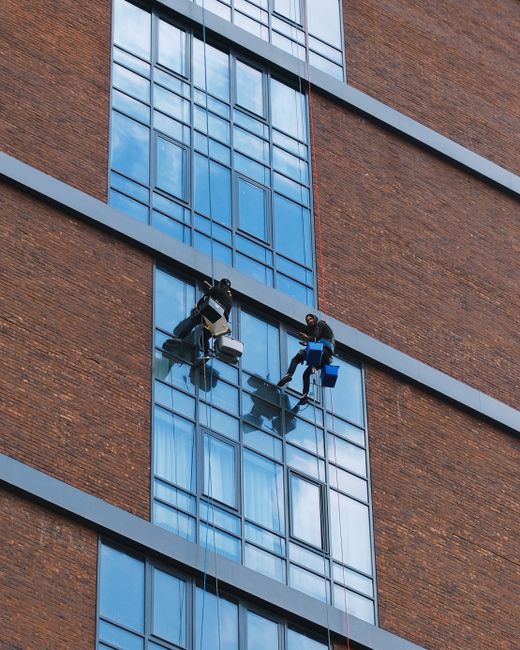
Kennington terraces can look deceptively straightforward from the pavement. Step inside, though, and the story changes fast: narrow stairwells, awkward rear elevations, tall sash windows, shared access, fragile finishes, and the sort of upper-floor jobs that make you think, well, who planned this? If you are dealing with High rise access and tricky cleaning in Kennington terraces, the real challenge is usually not the dirt itself. It is getting to it safely, cleaning it properly, and leaving everything as you found it.
This guide walks through what makes these homes so awkward to clean, how access is handled in practice, what to expect from a careful cleaning approach, and which mistakes most often cause delays or damage. Whether you are a homeowner, landlord, tenant, or managing a tight turnaround, the aim here is simple: help you make better decisions and avoid the usual headaches.
- Why this matters
- How tricky access cleaning works
- Key benefits and practical advantages
- Who needs this and when it makes sense
- Step-by-step guidance
- Expert tips for better results
- Common mistakes to avoid
- Tools, resources and recommendations
- Law, compliance, standards and best practice
- Options and comparison table
- Case study or real-world example
- Practical checklist
- Conclusion
- Frequently asked questions
Why High rise access and tricky cleaning in Kennington terraces Matters
Terraced properties in Kennington often have a charm that newer builds simply cannot copy. High ceilings, tall windows, original features, and compact layouts give them character. They also create cleaning problems that are not always obvious until you are standing at the bottom of a staircase with a ladder, a spray bottle, and a very real sense that the room is against you.
High-level cleaning matters because missed dust, grime, cobwebs, and window residue do not just affect appearance. They can build up in places where air moves, moisture gathers, or sunlight shows every streak. On upper floors, that can mean bathroom mould spots around tiled edges, dusty cornices, cobwebs behind curtain rails, and windows that look clean from one angle and streaky from another.
There is also the access side. In a terraced house, access is often narrow, shared, or delicate. You may need to protect carpet runners, avoid scuffing bannisters, work around small landings, or clean awkward rear windows that are reachable only from inside. A rushed job can easily create more problems than it solves.
In practical terms, this kind of cleaning matters because it protects the home, saves time on repeat touch-ups, and reduces the risk of damage. It is especially relevant before a tenancy check-out, after works, or when a property has not had a proper top-to-bottom clean in a while. To be fair, most people only realise this when the first awkward window refuses to budge.
How High rise access and tricky cleaning in Kennington terraces Works
Cleaning challenging upper floors in terraced homes is less about brute force and more about planning. A good approach starts with a walk-through of the property: where are the access points, which windows are reachable, what surfaces are fragile, and where does the work need to happen without disrupting the rest of the home?
For internal high areas, cleaners may use extension tools, lightweight step equipment, telescopic poles, or careful hand-cleaning from safe positions. For external windows or facade areas, access is usually assessed first rather than assumed. If a window is too high, too awkward, or too risky to reach safely from inside, the job may need a different method or a staged approach.
That assessment matters. The best cleaning plan for a Kennington terrace is rarely the most dramatic one. It is usually the quiet, well-organised one: protect the route, clear the working area, choose the right tool for the surface, and clean in a sequence that avoids re-soiling finished areas.
For example, if a top-floor bedroom has thick dust on coving, marks on the sash frame, and a window with built-up grime, it makes sense to start high and work down. Otherwise, you polish the sill only to knock dust back onto it five minutes later. Happens all the time.
If you want a broader view of how professional cleaning services are organised, the cleaning company approach and deep cleaning standards are useful reference points for understanding what a properly planned visit looks like.
Key Benefits and Practical Advantages
Handled well, tricky access cleaning gives you more than a visibly better result. It also reduces the wear and tear that often happens when people try to improvise with the wrong equipment.
- Safer working conditions - less climbing, less stretching, fewer rushed movements on stairs or landings.
- Better finish on detailed surfaces - frames, ledges, corners, and hard-to-reach joins get proper attention.
- Less risk of damage - good access planning helps protect paintwork, plaster, glass, and original woodwork.
- More efficient cleaning time - the job flows better when the route and method are planned in advance.
- Improved presentation - especially important for landlords, vendors, and tenants preparing for inspection.
There is another benefit people underestimate: peace of mind. A property with tight stairways and awkward upper rooms can make even a basic clean feel oddly stressful. When the access route is sorted and the work is structured, that stress drops away. You can feel it in the room.
If your property has a broader refresh on the cards, related services such as one-off cleaning, domestic cleaning, and house cleaning often fit well around the same access challenges.
Who This Is For and When It Makes Sense
This kind of cleaning is not only for large homes or obvious high-rise blocks. In Kennington, it often applies to ordinary terraces with a few awkward features. A top bedroom with a tall window. A narrow staircase with a landing just wide enough for a person and a bucket. A rear lightwell that collects dirt but is awkward to reach. A period bathroom where the top of the wall is just out of easy hand range.
It makes sense when you are dealing with:
- top-floor windows that need careful internal access
- dust and debris on high shelves, picture rails, coving, or curtain pelmets
- stained or neglected areas above normal eye level
- move-out cleans where the landlord will notice every missed corner
- post-renovation dust that settles on hard-to-reach surfaces
- homes with delicate finishes where overzealous cleaning would be a bad idea, frankly
It is also a sensible choice if you live with mobility limits, time pressure, or a household routine that makes it hard to tackle the upper floors thoroughly. That can be a parent juggling a school run, an older resident, or anyone who simply does not fancy balancing on a chair at 8pm on a Tuesday. Sensible, if you ask me.
If your project extends beyond general cleaning into end-of-tenancy or builder-related work, the pages on end-of-tenancy cleaning and after builders cleaning are closely related to these kinds of access-heavy jobs.
Step-by-Step Guidance
Here is a practical way to approach tricky cleaning in a Kennington terrace without making life harder than it needs to be.
- Survey the access points first. Check stairs, landings, door widths, rear access, window positions, and any places where equipment might snag.
- Identify high-risk surfaces. Look for fragile paint, older timber, loose trim, delicate glass, and any finishes that need a softer touch.
- Clear the route. Move obstacles, protect flooring where needed, and make sure the working path is obvious. No point carrying a damp cloth past three pairs of shoes and a toy bucket.
- Work top-down. Dust and clean high ledges, then move to mid-level surfaces, then floors last.
- Choose the right method for each area. Not every mark needs scrubbing. Sometimes a dry microfibre pass is better than wet cleaning.
- Use controlled water and product use. In older terraces, too much moisture can create drips, swelling, or streaks.
- Check the finish from more than one angle. Especially with glass. A window can look perfect until the afternoon light hits it and tells the truth.
- Do a final walk-through. Look for missed corners, cleaning residue, or any surfaces that need a final wipe.
The key thing is sequence. A clean looks much better when it has been thought through. You do not need to rush to the top floor and then work your way out like a fire drill. Slow is often faster, oddly enough.
For homes where flooring, upholstery, or curtains collect dust from upper rooms, it can also help to coordinate with carpet cleaning, upholstery cleaning, or sofa cleaning so the whole property feels finished rather than half-done.
Expert Tips for Better Results
After enough awkward jobs, a few lessons become obvious.
1. Don't over-wet old materials. Period terraces often have timber, plaster, and decorative elements that dislike excess moisture. A lightly damp cloth usually beats a soaking spray bottle.
2. Use light, repeatable passes. A first pass for dust, a second for marks, and a final inspection works better than trying to fix everything in one aggressive go.
3. Start with the worst access point, not the easiest. That way you deal with the most demanding task while energy and concentration are still fresh.
4. Protect the route before you begin. A few minutes spent on coverings, mats, or careful movement can save a lot of irritation later.
5. Check ventilation. If you are cleaning high areas in a compact terrace, the room can get warm and humid quickly. A bit of airflow helps products behave properly and reduces lingering smells.
6. Keep a small toolkit, not a giant one. The most useful kit is usually simple: microfibre cloths, extendable dusting tools, a stable step solution, a gentle cleaning product suitable for the surface, and a bucket you can carry without drama.
7. Take the light seriously. Morning light and late-afternoon light expose different defects. A final look by the window can reveal streaks, dust lines, and missed edge marks that overhead lighting hides.
One more thing: if something feels unsafe, it probably is. That is not a failure. It is just good judgement.
Common Mistakes to Avoid
Tricky access cleaning goes wrong in predictable ways. Avoiding these saves time, money, and a fair bit of swearing under your breath.
- Using the wrong equipment. A kitchen stool is not a ladder. It just isn't.
- Skipping the access plan. If you do not know how you are reaching a surface, the job becomes messy very quickly.
- Cleaning in the wrong order. High dust should be dealt with before lower surfaces are finished.
- Applying too much product. More is rarely better on older paint, timber, or glass.
- Forgetting the rear elevations. In terraces, back windows and lightwells are easy to miss, and they show it.
- Ignoring protective measures. Floors, banisters, and walls can pick up marks during repeated movement.
- Leaving the final check too late. By the time the equipment is packed away, everyone wants to be done. That is precisely when missed details slip through.
A common one is assuming that a quick visual check from the door is enough. It rarely is. You need to move through the room and change your angle. Especially on glass. Especially.
Tools, Resources and Recommendations
You do not need a van full of specialist kit for most Kennington terrace jobs. What you do need is the right combination of basic tools and sensible planning.
| Tool or resource | What it helps with | Why it matters |
|---|---|---|
| Microfibre cloths | Dusting, polishing, final wipe-downs | They lift dirt well without leaving heavy residue |
| Extendable dusting tools | Covings, top shelves, picture rails, high corners | Reduce the need to climb or overreach |
| Stable step equipment | Higher internal points and careful detail work | Safer and more controlled than balancing on furniture |
| Surface-appropriate cleaning solution | Glass, wood, tile, painted finishes | Prevents damage and improves finish quality |
| Protective floor covering | Stairs, landings, entry routes | Helps avoid scuffs and splash marks |
| Good lighting | Streak spotting and edge checks | Small marks are easier to catch before you finish |
It is also worth choosing a provider that can explain how they handle awkward access. A trustworthy cleaners team should be able to talk plainly about method, safety, timing, and any limits on what can be reached without special equipment.
Where the job involves difficult window areas, the broader approach to window cleaning is especially relevant, because glass is where poor access shows most quickly.
Law, Compliance, Standards, or Best Practice
This is one of those areas where plain-English best practice matters more than dramatic claims. In the UK, safe access work should always be planned with the task, the site, and the equipment in mind. You would expect proper risk awareness, suitable training, and sensible use of equipment rather than guesswork or improvisation.
For household cleaning, that means the work should not put the cleaner or the occupant at unnecessary risk. For more involved access jobs, the expectation is that the method matches the property, rather than forcing the property to fit the method. That may sound obvious, but honestly, you would be surprised how often it gets ignored.
Good practice usually includes:
- assessing access before starting
- avoiding unstable positioning on furniture or improvised supports
- using equipment suited to the height and task
- protecting surfaces from impact, moisture, and cleaning residue
- communicating any limits clearly before work begins
If insurance, safety, or handling concerns matter to you, it is sensible to review the provider's insurance and safety information and their health and safety policy. For broader trust and service expectations, about the company and terms and conditions are also worth a look.
For people who care about service handling, privacy, and payment confidence, there are useful supporting pages on payment and security, privacy policy, and pricing and quotes. That is not because the cleaning itself is complicated, but because a decent service should feel clear from first contact to final invoice.
Options, Methods, or Comparison Table
Not every access problem needs the same solution. Here is a simple comparison of the most common approaches.
| Method | Best for | Strengths | Limitations |
|---|---|---|---|
| Internal reach tools | High shelves, coving, top window frames, dusting | Fast, low disruption, good for routine access issues | Not suitable for every external or very high point |
| Careful step-based cleaning | Top-floor interior detail work | Good control and close inspection | Requires stable footing and enough space |
| Specialist access planning | Very awkward windows, rear elevations, elevated exterior areas | Most flexible and safest for complex jobs | May take more coordination and time |
| Combined deep clean approach | Properties needing a full refresh | Efficient for complete top-to-bottom results | Needs good sequencing to avoid re-soiling |
For many terraces, the best answer is not one method. It is a sensible mix. For instance, internal upper-floor dusting might be handled alongside deep cleaning, while floors and hard surfaces receive attention through hard floor cleaning or other targeted work. That combination often gives the cleanest end result, and it feels more complete too.
Case Study or Real-World Example
Imagine a typical Kennington terrace with three levels of cleaning demand: a top bedroom with a high sash window, a narrow staircase with scuffed edges, and a rear bathroom where the upper wall line has gathered dust and moisture marks. Nothing dramatic. Just the sort of property that looks fine at first glance and then quietly demands a bit of thought.
The first pass would be a route check: protect the stairs, clear obstacles, and confirm where the highest points are. Next comes the bedroom. High dust is removed first, then the window frame is cleaned, then the glass is finished in the right light. The staircase bannister and landing are wiped down before the floor is touched, so no dust falls onto freshly cleaned surfaces. Finally, the bathroom receives a careful detail clean around the top edges, with as little moisture as possible on any older paint or joinery.
The difference is not just visual. The room feels calmer. The stale dust smell is gone, the light comes through the window more cleanly, and the whole house feels less tired. That is the thing people notice later in the day, after the obvious shine has faded a bit. The home simply feels easier to live in.
If you are preparing for handover or a move-out, this kind of upper-level detail often pairs naturally with end-of-tenancy cleaning, and for post-works situations, after builders cleaning can be a very good fit.
Practical Checklist
Use this before starting any awkward access job in a terrace.
- Have I checked the stairs, landings, and access route?
- Do I know which windows or upper surfaces are actually reachable?
- Have I identified fragile paint, timber, glass, or decorative features?
- Is the working area clear of clutter and trip hazards?
- Have I chosen the right cloths, tools, and cleaning products for the surfaces?
- Am I cleaning top-down so dirt does not fall onto finished areas?
- Do I have enough light to spot streaks and residue?
- Is the area ventilated well enough for the products I am using?
- Have I protected floors and high-traffic surfaces?
- Have I done a final inspection from more than one angle?
Quick expert summary: in Kennington terraces, the cleanest result usually comes from careful planning, gentle methods, and a realistic view of what can safely be reached. A tidy process beats a hurried one every time.
If you are comparing service options and want a clearer estimate of what a job may involve, the pricing and quotes page is a sensible next stop. And if you want to ask about a property with difficult access, the safest move is simply to speak with a real person who can assess the situation properly.
Get a free quote today and see how much you can save.
Conclusion
High rise access and tricky cleaning in Kennington terraces is really about respect: respect for the building, respect for the surfaces, and respect for the reality that some jobs cannot be rushed or improvised. Terraces are full of character, but they ask for a bit more thought than a straightforward modern box. That is just the truth of it.
Once the access is understood, the work becomes much more manageable. High dust, awkward windows, narrow stairs, and tricky rear elevations stop being mysterious and start becoming a checklist. A good approach protects the property, saves time, and leaves the home looking properly cared for rather than merely wiped over.
And if you have ever stood halfway up a narrow staircase thinking, surely there is an easier way, you are not alone. There usually is - it just starts with a better plan.
Frequently Asked Questions
What makes Kennington terraces difficult to clean at height?
They often have narrow stairs, tall windows, tight landings, rear access challenges, and older features that need a careful touch. The difficulty is usually access, not the cleaning itself.
Do high windows in terraces always need specialist access equipment?
Not always. Some can be handled safely with internal reach tools or careful step-based work. Others need a different approach. It depends on the height, the layout, and the surface.
Is it safe to clean upper areas from furniture or unstable steps?
No. That is a bad idea and, to be blunt, a common way people hurt themselves. Safe, stable equipment should always be used instead.
How do cleaners avoid damaging old paint or timber in period terraces?
By using gentle methods, low moisture, suitable cloths, and controlled pressure. Older finishes usually respond better to careful repeated passes than to heavy scrubbing.
Can tricky access cleaning be combined with a full deep clean?
Yes, and that is often the most efficient choice. Upper-floor dusting, window detailing, floors, and surfaces can be organised as part of a broader deep clean.
What should I prepare before a cleaner arrives?
Clear the access route, move fragile items, point out problem areas, and mention any known concerns such as loose trim, stubborn stains, or awkward windows.
How long does this kind of cleaning usually take?
That depends on the number of levels, how awkward the access is, and how detailed the job needs to be. A thorough clean in a terrace often takes longer than people expect.
Is this relevant for tenants doing a move-out clean?
Very much so. Landlords and agents tend to notice upper corners, windows, and dust lines. A tidy access-led clean can make a noticeable difference at inspection.
What if a window or ledge cannot be reached safely?
Then it should be treated as a limitation and handled through an alternative method or left for a safer specialist approach. Safety always comes first.
Do I need to worry about insurance or safety checks?
If someone is working at height or around awkward access points, yes, it is sensible to ask about insurance and safety procedures. A reputable provider should be happy to explain them.
Can I get a quote without a site visit?
Sometimes a rough estimate is possible, but awkward access usually benefits from a proper description or assessment. The more accurate the information, the better the quote tends to be.
What is the best time of day to clean windows and upper rooms?
Morning or early afternoon is often helpful because better light makes streaks and missed areas easier to spot. It is a small thing, but it matters more than people think.
Are there eco-friendly ways to clean tricky upper areas?
Yes. Use the least product needed, choose reusable microfibre cloths, and avoid unnecessary waste. A careful method usually supports sustainability naturally.
Where can I learn more about the company and its standards?
It helps to review pages such as about us, recycling and sustainability, and complaints procedure if you want a clearer sense of service quality and accountability.